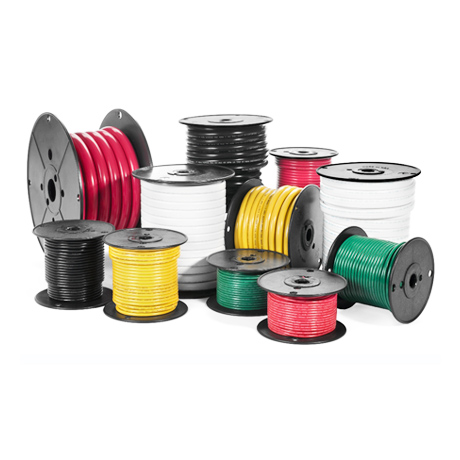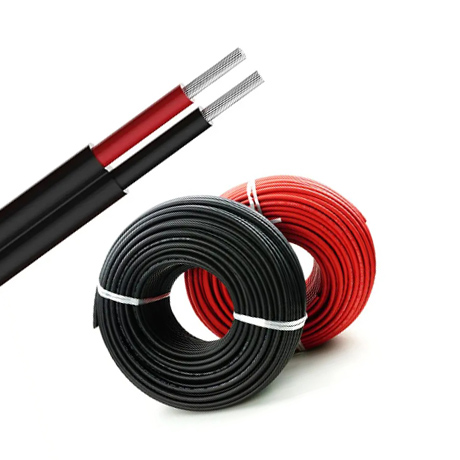

Marine communication cables play a critical role in ensuring reliable communication, navigation, monitoring, and operational safety across ships, offshore platforms, naval systems, and marine engineering projects. In harsh ocean environments where saltwater corrosion, electromagnetic interference, vibration, and extreme weather conditions are common, selecting high-quality marine communication cables is essential for uninterrupted signal transmission and vessel safety.
This comprehensive guide explores everything you need to know about Marine communication cables, including their structure, applications, benefits, standards, installation practices, and selection criteria. We will also discuss how Liyuan provides dependable marine cable solutions designed for modern offshore and shipboard communication systems.
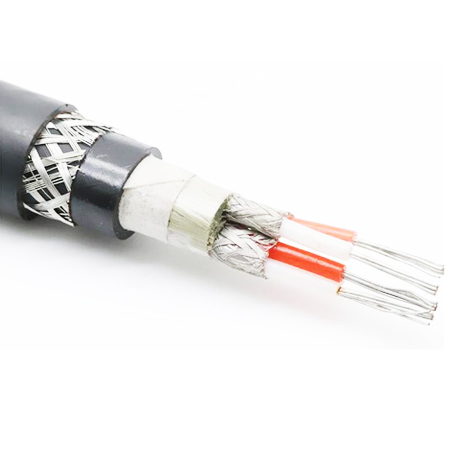
Marine communication cables are specialized cables designed for signal transmission and communication systems used in marine and offshore environments. These cables are engineered to withstand challenging operating conditions such as moisture, oil exposure, UV radiation, mechanical stress, and saltwater corrosion.
Unlike standard communication cables, marine-grade communication cables are manufactured with enhanced insulation materials, flame-retardant jackets, and shielding structures to ensure reliable performance aboard ships and offshore facilities.
Typical systems supported by Marine communication cables include:
Reliable communication is fundamental to marine safety and operational efficiency. Ships and offshore installations rely heavily on communication systems for navigation, emergency coordination, cargo operations, and equipment monitoring.
High-performance Marine communication cables help ensure:
A communication failure at sea can lead to operational disruptions, safety incidents, or costly downtime. Therefore, choosing certified marine communication cables is critical for maritime operations.
Modern Marine communication cables are designed with advanced engineering features to ensure long-term reliability in marine environments.
Marine environments expose cables to saltwater, humidity, and corrosive chemicals. Marine communication cables use corrosion-resistant materials to maintain performance over time.
Fire safety is essential aboard ships and offshore structures. Many marine cables feature flame-retardant and low-smoke halogen-free designs to improve onboard safety.
Communication systems are vulnerable to electromagnetic interference (EMI). Shielded marine communication cables help maintain signal integrity in electrically noisy environments.
Marine cables are subjected to vibration, bending, tension, and impact. Reinforced structures improve durability and reduce maintenance requirements.
Marine-grade insulation prevents moisture ingress, ensuring stable communication performance even in wet environments.
There are several types of Marine communication cables designed for specific shipboard and offshore applications.
Used for internal voice communication systems aboard vessels and offshore platforms.
Designed for digital communication and networking applications with high-speed data transfer capabilities.
Offer high bandwidth, low signal loss, and superior EMI resistance for advanced marine communication systems.
Used in automation and monitoring systems for signal transmission between equipment and control centers.
Commonly used in radar systems, satellite communication, and RF signal transmission.
Marine communication cables are widely used across various maritime sectors.
As marine digitalization continues to evolve, the demand for reliable Marine communication cables is rapidly increasing worldwide.
The performance of Marine communication cables depends heavily on their construction materials and manufacturing quality.
High-purity copper conductors are commonly used for excellent electrical conductivity and signal stability.
Aluminum foil shielding and braided copper shielding help reduce EMI and maintain communication reliability.
The outer jacket protects against abrasion, UV radiation, oil exposure, and harsh marine weather conditions.
| Cable Type | Main Function | Key Advantage | Typical Application |
|---|---|---|---|
| Telephone Cable | Voice Communication | Stable signal transmission | Ship intercom systems |
| Data Cable | Data Networking | High-speed communication | Automation systems |
| Fiber Optic Cable | Optical Signal Transmission | Long-distance performance | Offshore data centers |
| Coaxial Cable | RF Communication | EMI resistance | Radar systems |
| Control Cable | Signal Control | Reliable monitoring | Marine automation |
Selecting the proper Marine communication cable requires careful evaluation of environmental and operational factors.
Different communication systems require different bandwidths, shielding levels, and transmission characteristics.
Always ensure cables meet marine industry certifications and international safety standards.
Marine environments require cables capable of withstanding vibration, bending, and physical stress.
Proper installation significantly impacts the lifespan and reliability of Marine communication cables.
Routine inspection and preventive maintenance can extend cable service life and minimize operational risks.
High-quality Marine communication cables should comply with internationally recognized standards.
Compliance ensures safe operation, regulatory approval, and long-term reliability in marine applications.
Liyuan specializes in manufacturing high-quality Marine communication cables designed for demanding offshore and shipboard applications. The company focuses on advanced production technologies, strict quality control, and reliable marine cable performance.
Liyuan continuously improves its cable technologies to meet evolving maritime communication requirements and offshore engineering demands.
The maritime industry is rapidly adopting digitalization and smart vessel technologies. As a result, the demand for advanced Marine communication cables continues to grow.
Future marine communication systems will require even greater bandwidth, reliability, and environmental resistance.
Marine communication cables are used for voice, data, control, navigation, alarm, and monitoring systems aboard ships and offshore facilities.
Marine cables are specifically designed to resist saltwater corrosion, moisture, vibration, fire hazards, and electromagnetic interference.
Common materials include copper conductors, XLPE insulation, LSZH jackets, and braided shielding materials.
Yes, many marine communication cables feature flame-retardant and low-smoke zero-halogen designs for improved onboard safety.
The service life depends on operating conditions, installation quality, and maintenance practices, but high-quality marine cables can last for many years.
Yes, Liyuan offers customized Marine communication cable solutions tailored to various marine and offshore applications.
Marine communication cables are essential components of modern maritime infrastructure, ensuring reliable communication, operational efficiency, and onboard safety. From commercial vessels to offshore platforms, selecting high-quality marine cables is critical for long-term system performance and compliance with marine regulations.
As marine communication technology continues to evolve, investing in durable, high-performance Marine communication cables becomes increasingly important for maritime operators worldwide.
If you are looking for reliable, high-quality Marine communication cables for shipboard or offshore applications, Liyuan is ready to provide professional cable solutions tailored to your needs. Explore advanced marine cable products and contact us today to discuss your project requirements and receive expert technical support.