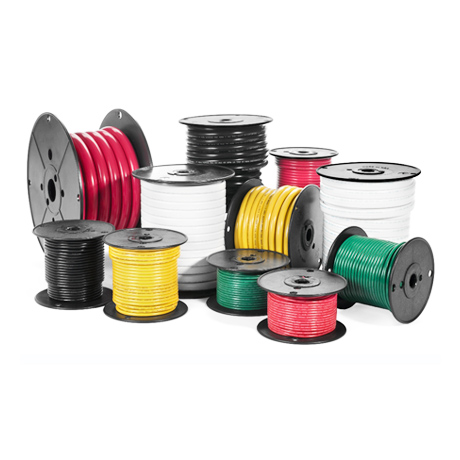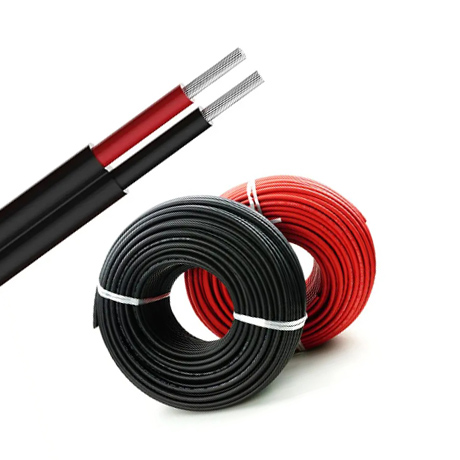

Marine power cables are specialized electrical conductors designed to deliver safe, reliable, and efficient power transmission for vessels, offshore platforms, and port infrastructure. These cables are engineered to withstand harsh maritime conditions, including high humidity, saltwater exposure, extreme temperatures, mechanical stress, and continuous vibration. Their primary purpose is to maintain uninterrupted power supply to critical onboard systems such as navigation equipment, lighting, propulsion motors, and communication devices.
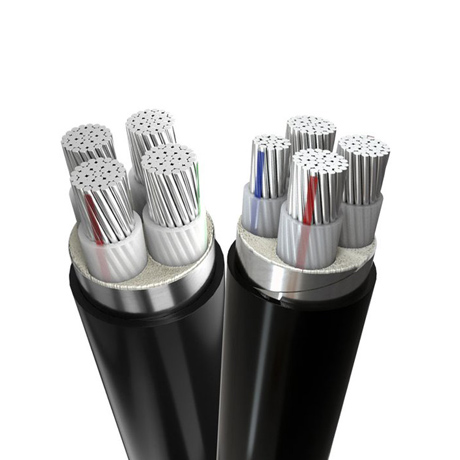
Selecting the right marine power cable is crucial for operational safety and efficiency. Parameters like conductor material, insulation type, voltage rating, and flexibility directly impact the cable's performance in maritime applications. This article explores marine power cables in detail, focusing on their technical specifications, common user questions, and practical considerations for long-term performance and safety.
| Parameter | Typical Specification |
|---|---|
| Conductor Material | Copper or tinned copper, flexible strands for vibration resistance |
| Insulation Material | XLPE (cross-linked polyethylene) or PVC (polyvinyl chloride) |
| Voltage Rating | 300/500V, 600/1000V, up to 1.8/3 kV depending on application |
| Temperature Range | -40°C to +90°C (operational) |
| Outer Sheath | FR-PVC or LSZH (flame-retardant, low smoke zero halogen) |
| Certification & Standards | IEC 60092, ISO 9001, Lloyd’s Register, ABS, DNV-GL |
| Bend Radius | Minimum 6× cable diameter (for flexible installation) |
| Mechanical Protection | Armored options available for high-abrasion areas |
| Water & Oil Resistance | Tested per IEC 60092-350 standards |
Marine power cables are available in single-core, multi-core, and armoured variations, offering diverse solutions for onboard power distribution, energy storage systems, and offshore energy generation. Choosing the proper configuration ensures that cables resist wear, prevent electrical faults, and optimize vessel performance.
Marine environments present unique challenges that demand high-performance cable solutions. Saltwater corrosion, UV radiation, and mechanical abrasion are among the factors that compromise standard electrical cables. Marine power cables are engineered with multiple protective layers to prevent degradation.
Insulation and Sheath Design:
Cross-linked polyethylene (XLPE) and PVC are widely used for insulation due to their excellent thermal stability and electrical resistance. The outer sheath, often made of flame-retardant PVC (FR-PVC) or low smoke zero halogen (LSZH) materials, provides additional mechanical and chemical protection. These sheaths prevent water ingress, reduce the risk of fire, and resist abrasion caused by cable movement or contact with sharp surfaces.
Conductor Composition:
Copper is the primary conductor material due to its superior conductivity. For marine applications, tinned copper is preferred as it resists oxidation and corrosion in humid or saline environments. Flexible strand conductors also allow the cable to endure continuous vibration and bending without breaking.
Mechanical Protection:
Armored variants of marine power cables are designed for areas with high mechanical risk. Steel wire or tape armoring provides tensile strength and prevents damage from impacts, crushing, or tension during installation and operation.
Standards Compliance:
Marine cables are manufactured according to rigorous international standards such as IEC 60092 (Electrical installations in ships), Lloyd’s Register, ABS (American Bureau of Shipping), and DNV-GL. Compliance ensures that cables are safe, durable, and suitable for high-stress maritime environments.
The combination of advanced materials, design considerations, and standard compliance allows marine power cables to maintain reliable operation over decades, even under extreme environmental stress.
Selecting the proper marine power cable requires consideration of multiple factors, including voltage requirements, flexibility, environmental conditions, and application type. Each vessel or offshore installation presents unique challenges.
Voltage and Current Ratings:
Marine power cables are available in a range of voltage ratings, from 300/500V for low-voltage auxiliary circuits to 1.8/3 kV for high-power applications. Correct voltage and current specification is critical to prevent overheating and ensure energy efficiency.
Environmental Conditions:
For cables exposed to seawater or extreme outdoor conditions, cables with robust sheaths (FR-PVC, LSZH) and tinned conductors are recommended. For dry, internal wiring, standard PVC-insulated cables may suffice.
Flexibility and Installation:
Flexible marine cables are ideal for engine rooms, movable equipment, and areas requiring frequent cable routing adjustments. Bend radius and strand design should match the vessel’s layout to avoid stress and fatigue.
Mechanical Stress Protection:
For dockside power supplies or subsea installations, armored cables offer protection against crushing, abrasion, and accidental impacts. The armor ensures the cable maintains integrity even in high-load environments.
Common Configurations:
Single-Core Cables: Suitable for high-current transmission over short distances.
Multi-Core Cables: Used for combined power and control circuits.
Armored Cables: Provide additional mechanical protection in high-risk zones.
Q1: How long do marine power cables typically last in maritime conditions?
A1: The lifespan of a marine power cable depends on its material, installation, and operating environment. High-quality cables with tinned copper conductors, XLPE insulation, and armored sheaths can last 15–25 years under normal operating conditions. Proper maintenance, regular inspection, and avoiding excessive bending or exposure to corrosive substances can extend the lifespan.
Q2: How can marine power cables prevent electrical faults in vessels?
A2: Marine power cables prevent electrical faults by combining high-quality conductors, insulation, and protective sheathing. The tinned copper conductor resists corrosion, while insulation materials like XLPE prevent short circuits. Flame-retardant sheaths minimize fire risks, and armored cables offer mechanical protection. Installation in accordance with IEC 60092 ensures proper routing, secure terminations, and reduced risk of electrical failures.
Q3: How should marine power cables be maintained for optimal performance?
A3: Regular inspections, cleaning of exposed surfaces, checking for insulation degradation, and ensuring secure connections are essential. Maintenance schedules should follow classification society guidelines. Cables showing cracks, discoloration, or signs of corrosion should be replaced immediately to prevent operational hazards.
The maritime industry continues to evolve with advances in electrification, offshore energy, and autonomous shipping. Demand for reliable marine power cables is expected to grow, driven by electric propulsion systems, hybrid vessels, and expanding offshore wind farms. Cables with improved fire resistance, higher flexibility, and advanced insulation materials will become increasingly critical.
Yangzhou Liyuan Wire & Cable Co., Ltd. provides a full range of marine power cables engineered to meet international standards and adapt to demanding maritime conditions. Their product portfolio includes tinned copper, XLPE-insulated, armored, and multi-core solutions suitable for diverse applications. Expertise in design, testing, and compliance ensures long-term reliability, safety, and performance.
For inquiries or detailed specifications, contact us today to select the right marine power cable solution for your vessel or offshore project.