
Cable corrosion has always been one of the most common and troublesome pain points for ship owners and shipbuilding engineers. Damaged wiring not only increases daily maintenance costs and replacement frequency, but also triggers potential safety hazards such as power outages and navigation system failures. Under such severe operating conditions, the entire shipbuilding industry has reached a consensus: finding effective solutions to avoid cable corrosion has become a top priority for marine electrical upgrading.
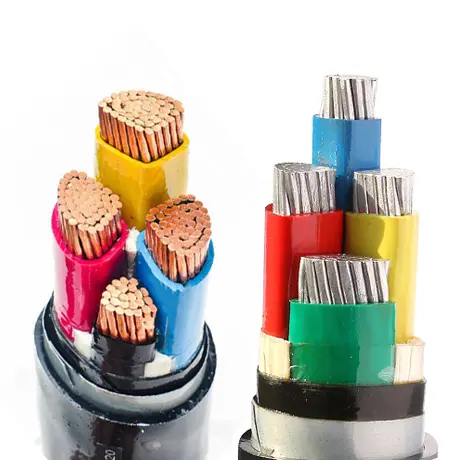
Among all onboard cable types, Marine Power Cables form the backbone of primary and secondary power distribution networks. These cables must endure continuous vibration, salt spray, temperature extremes, and potential fire hazards while maintaining conductor integrity and insulation resistance.
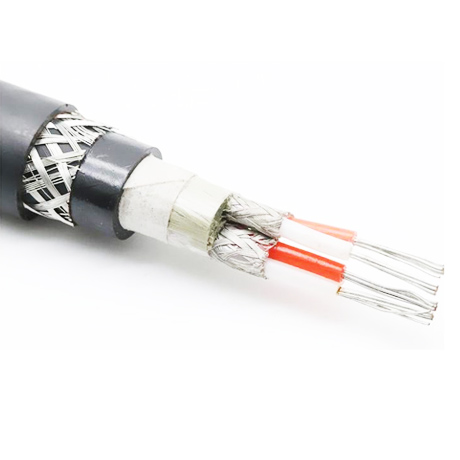
Marine communication cables play a critical role in ensuring reliable communication, navigation, monitoring, and operational safety across ships, offshore platforms, naval systems, and marine engineering projects.
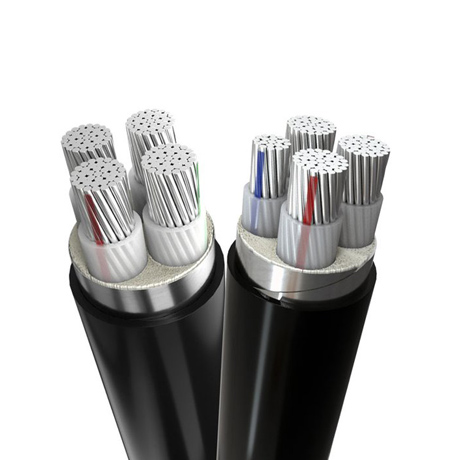
Marine power cables are specialized electrical conductors designed to deliver safe, reliable, and efficient power transmission for vessels, offshore platforms, and port infrastructure. These cables are engineered to withstand harsh maritime conditions, including high humidity, saltwater exposure, extreme temperatures, mechanical stress, and continuous vibration. Their primary purpose is to maintain uninterrupted power supply to critical onboard systems such as navigation equipment, lighting, propulsion motors, and communication devices.
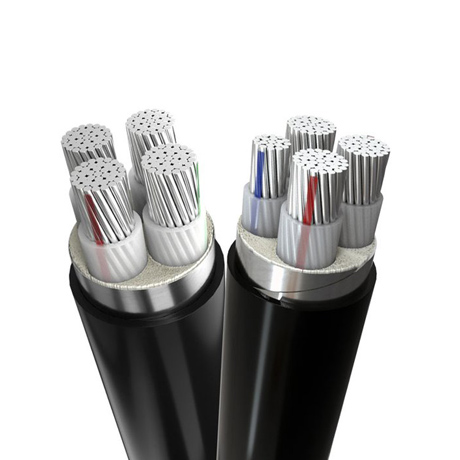
Marine power cables are the hidden bloodstreams of every vessel, silently routing life-sustaining energy through engine rooms, navigation decks, and critical systems. More than wires, these battle-tested conduits resist what oceans throw at them while powering humanity’s journeys across the waves.
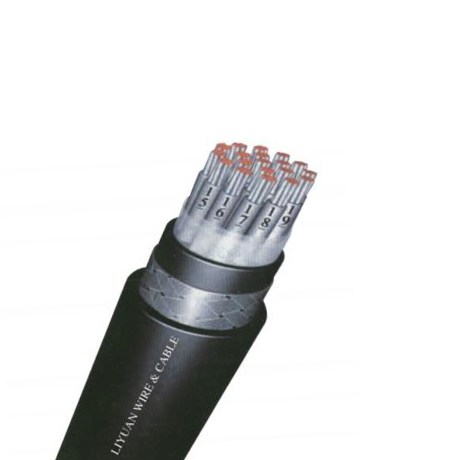
Marine control cables are essential components in modern maritime systems, serving as the primary link between control consoles and various shipboard machinery, including steering gear, engines, winches, and thrusters. These cables are designed to provide reliable, smooth, and precise control even under harsh marine conditions, including exposure to saltwater, UV radiation, temperature variations, and mechanical wear. Understanding their construction, functionality, and application is crucial for shipbuilders, operators, and maintenance professionals seeking safety, efficiency, and long-term performance.